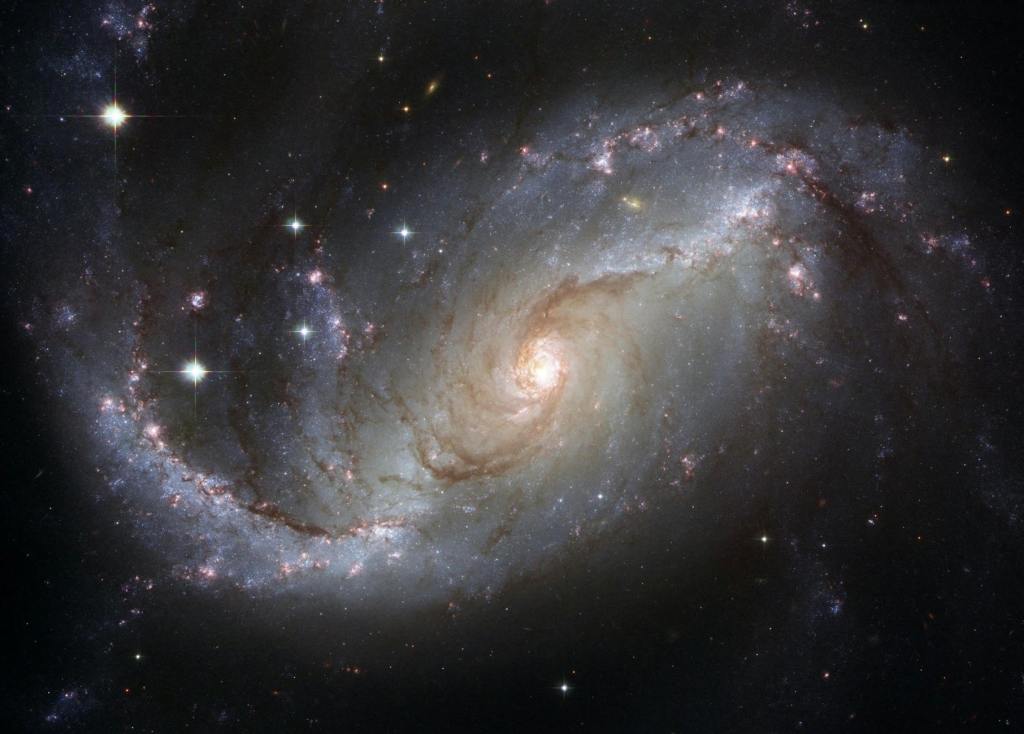
God, the Almighty and All-Powerful creator of the universe, is sovereign over all things; including science. In fact, it was He who spoke the world into existence (Genesis 1).
Throughout scripture, we see that God has full control and authority over everything in the physical and spiritual realms. This means that not only did He create the laws of nature and science, but He also has complete authority to alter or suspend them at any time according to His will.
In Job 38, God challenges Job by asking him where he was when He laid the foundations of the earth and set its boundaries. This passage shows us that God not only created the world, but He also established its physical laws and limits.
Furthermore, in Colossians 1:16-17, we are told that “all things were created through Him and for Him. And He is before all things, and in Him all things consist.” This means that God not only created all things, but He also sustains them by His power.
As Christians, it is important to remember that science is not a threat to our faith in God. In fact, science can reveal even more of God’s majesty and greatness as we study His creation.
We should approach scientific studies with an understanding that God is the ultimate authority over all things, including science. As we continue to learn and discover, let us always remember that it is God who holds all knowledge and wisdom (Proverbs 2:6).
So, while science may seek to explain the how and why of the physical world, we must never forget that God is ultimately in control and sovereign over all things, including science. Let us give glory and honor to Him as we marvel at His infinite wisdom and power displayed in the wonders of science.
Reference:
- Genesis 1
- Job 38
- Colossians 1:16-17
- Proverbs 2:6
Exploring Science Through a Christian Perspective
As Christians, we are called to view the world through a biblical lens. This applies not only to our morals and values, but also how we approach the study of science.
Science is often seen as a separate entity from religion, but in reality, they can complement each other. By understanding that God is the ultimate creator and sustainer of all things, we can see that studying science is essentially studying His creation.
In addition, many scientific discoveries have revealed even more of God’s glory and power. For example, the intricate design of human DNA points to an intelligent designer rather than mere chance (Psalm 139:13-14).
Furthermore, the laws of physics and mathematics that govern the universe show us that there is order and purpose in the world, which aligns with the biblical understanding of God as a God of order (1 Corinthians 14:33).
As Christians, we should not shy away from scientific studies, but rather embrace them with a sense of wonder and curiosity. By seeing science through a Christian perspective, we can gain a deeper understanding and appreciation for God’s creation.
Let us continue to explore the wonders of science while keeping our faith anchored in the truth that all things were created by and for God. As it says in Psalm 111:2-3, “Great are the works of the Lord; they are pondered by all who delight in them.”
- Reference:
- Psalm 139:13-14
- 1 Corinthians 14:33
- Psalm 111:2-3.
Encouraging Critical Thinking in Science
As Christians, we are also called to use critical thinking and discernment in all areas of our lives, including science.
While studying scientific theories and concepts, it is important to examine them through the lens of Scripture and discern what aligns with biblical truth. This does not mean disregarding scientific evidence, but rather seeking to understand it in light of God’s word.
Critical thinking also allows us to question and challenge popular theories or claims in the scientific community. As Proverbs 18:15 says, “The heart of the discerning acquires knowledge, for the ears of the wise seek it out.”
By encouraging critical thinking and discernment in our approach to science, we can avoid blindly accepting information and instead seek a deeper understanding of God’s creation and His role as sovereign over all things.
Let us continue to pursue knowledge and understanding while keeping our faith rooted in God’s truth.
- Reference:
- Proverbs 18:15. The Bible. New International Version. Biblica, Inc., 2011.
Final Thoughts
As we can see, God is the sovereign creator over science and all things in this world. He is the ultimate authority and source of all knowledge, including scientific knowledge.
As Christians, let us embrace science through a biblical perspective and continue to marvel at God’s greatness displayed through His creation. May we also use our critical thinking skills to seek understanding and discernment in all areas of our lives for the glory of God.
Let us remember these words from Isaiah 40:28, “Do you not know? Have you not heard? The Lord is the everlasting God, the Creator of the ends of the earth. He will not grow tired or weary, and his understanding no one can fathom.”
- Reference:
- Isaiah 40:28 The Bible. New International Version. Biblica, Inc., 2011.
The end. (Just kidding!) Let us continue to explore and learn more about God’s amazing creation through science, always remembering that He is sovereign over all things. May this journey deepen our faith and bring glory to His name! – Amen

 Live Fearless